

Gold anodisation in architecture
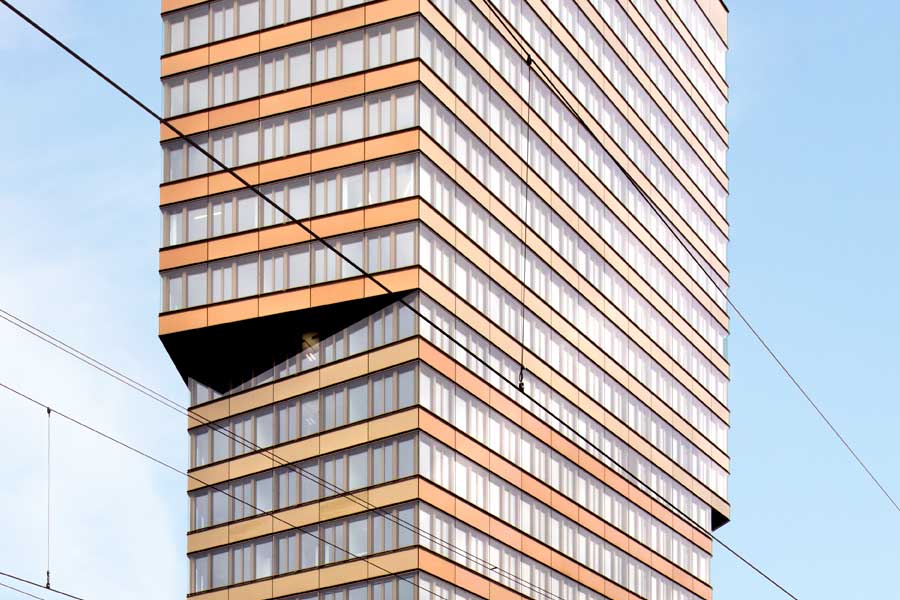
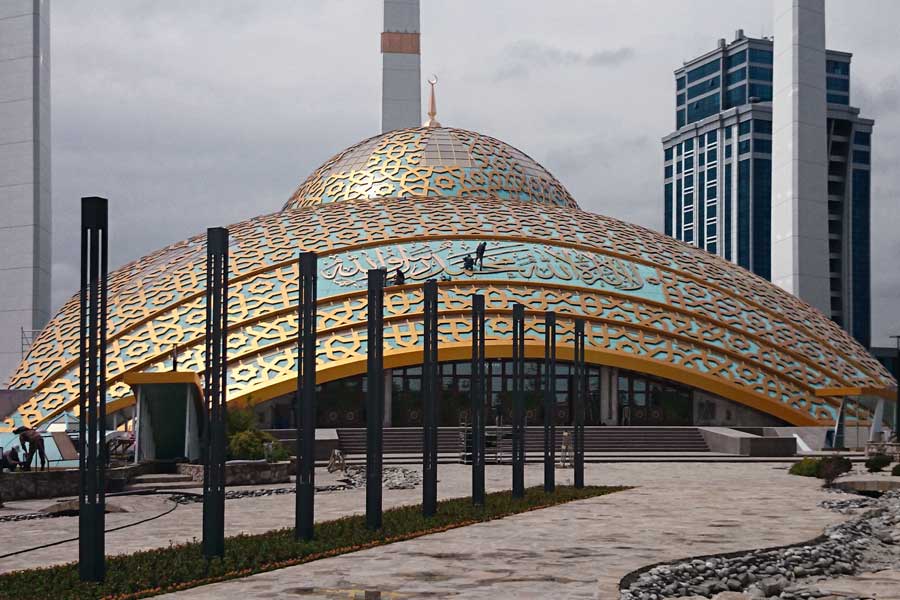
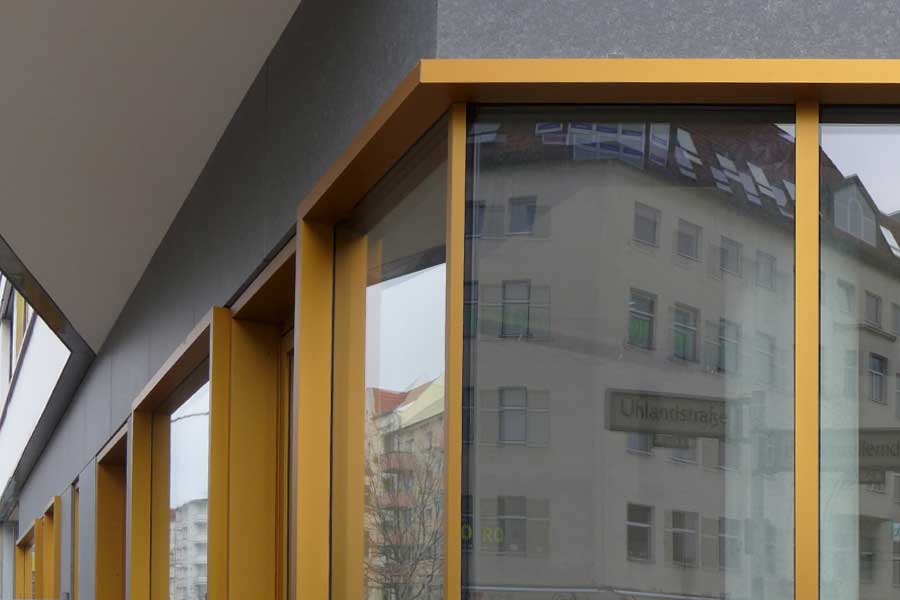
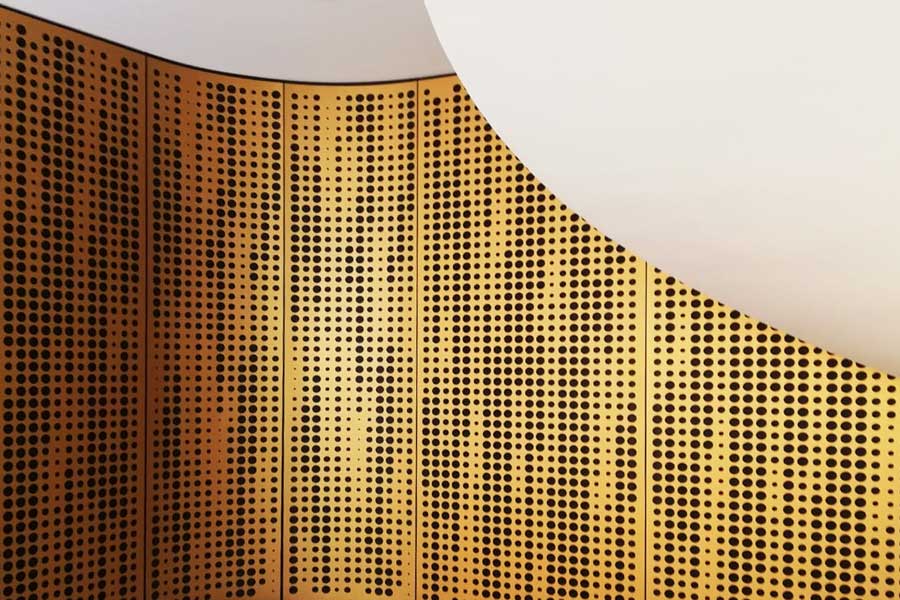

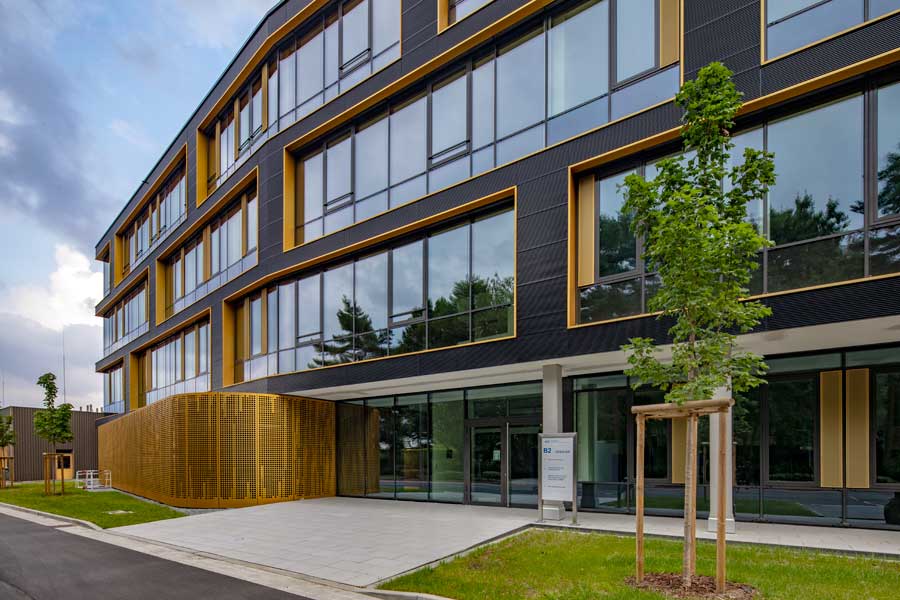
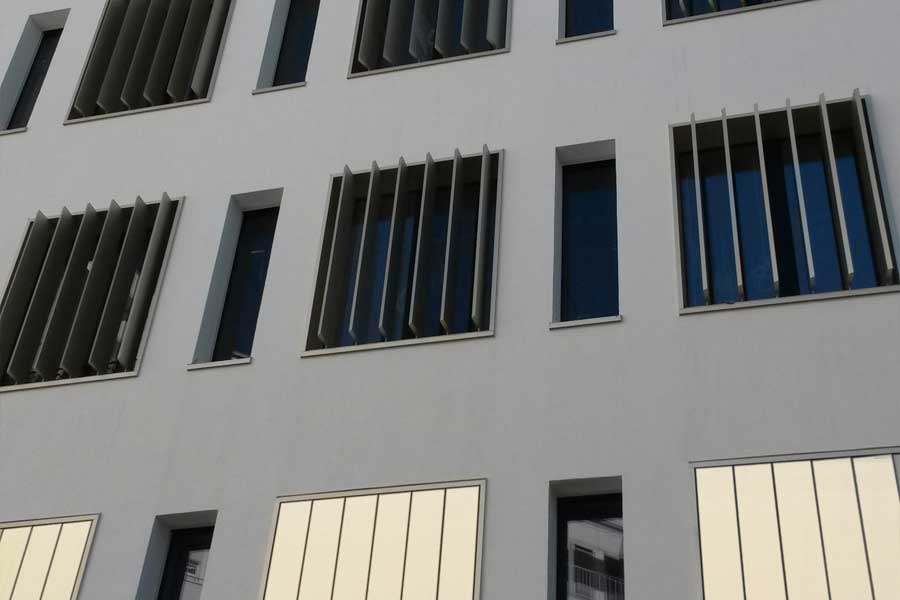
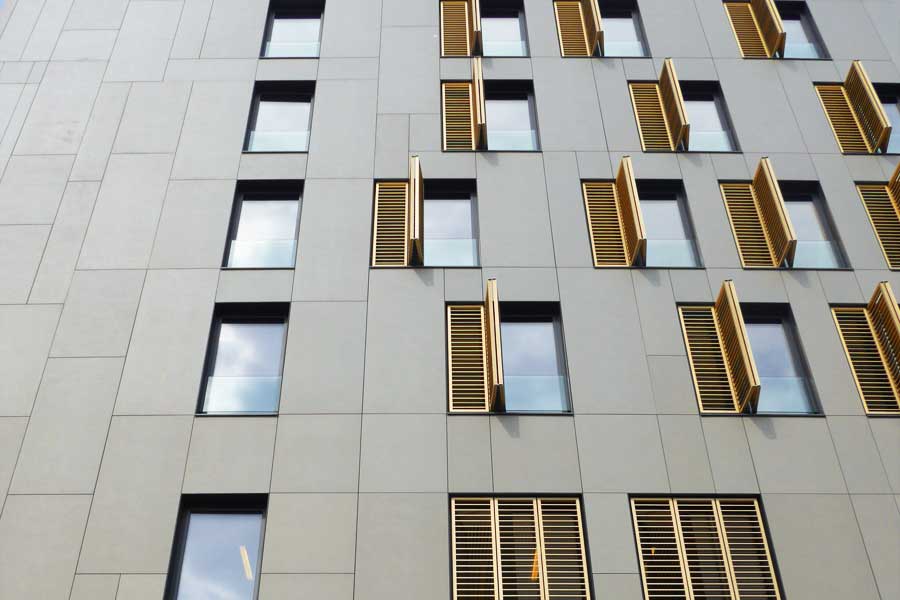
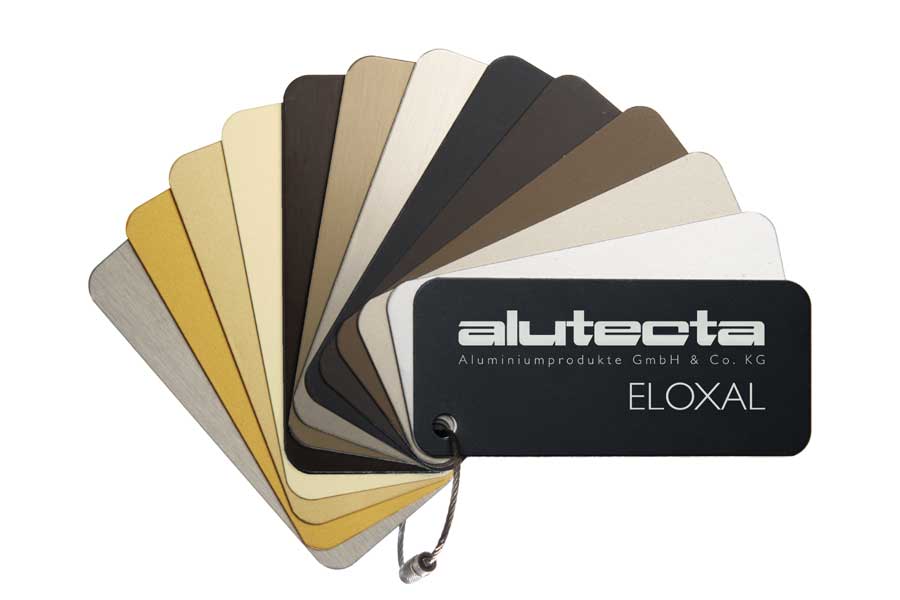
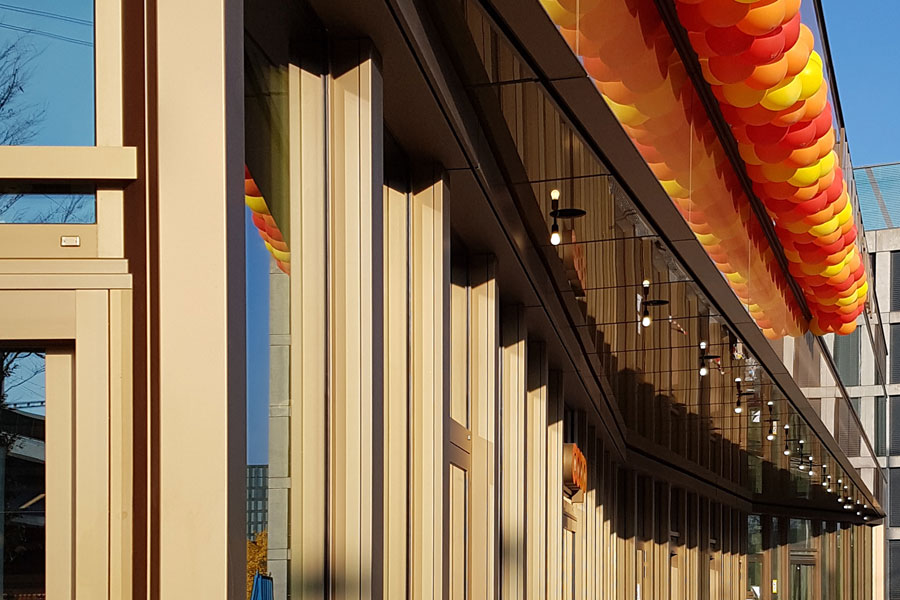
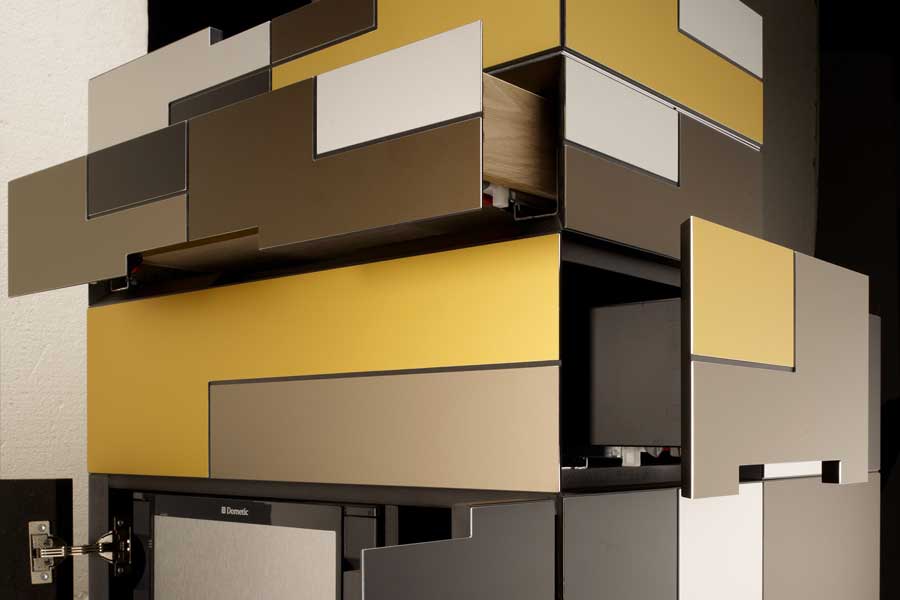
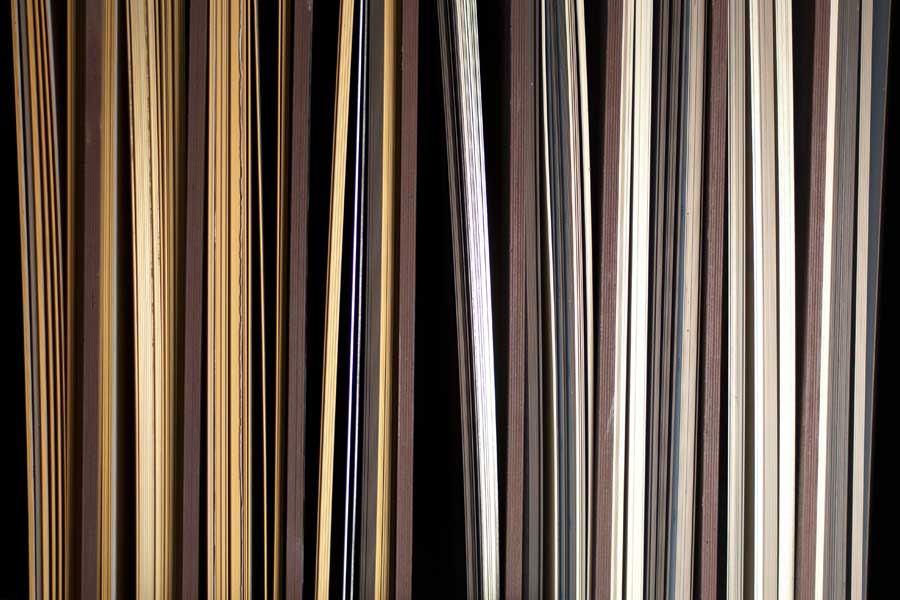
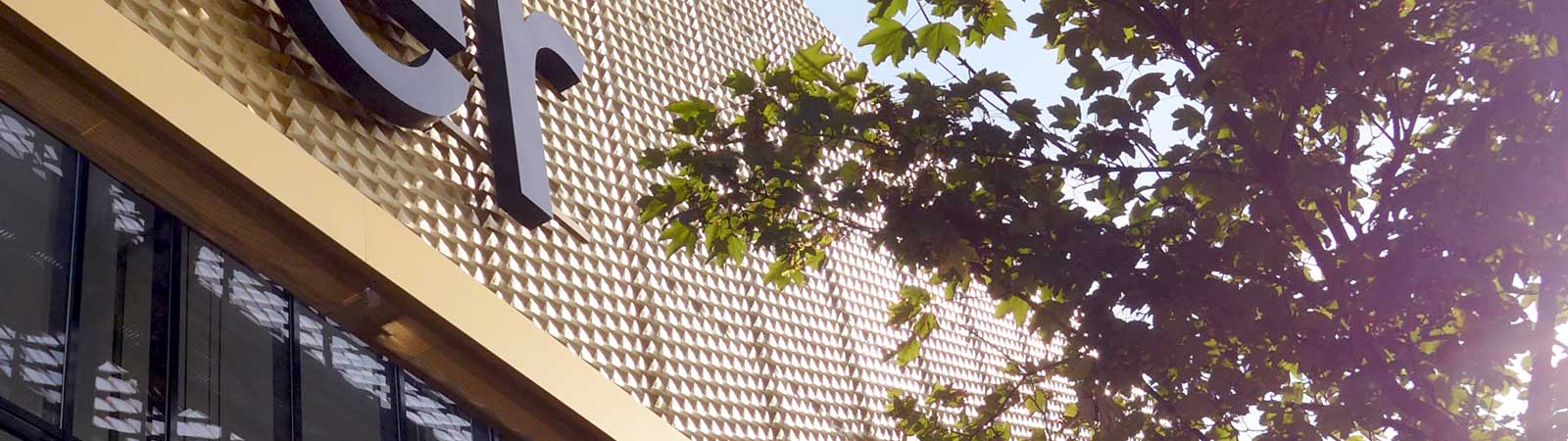
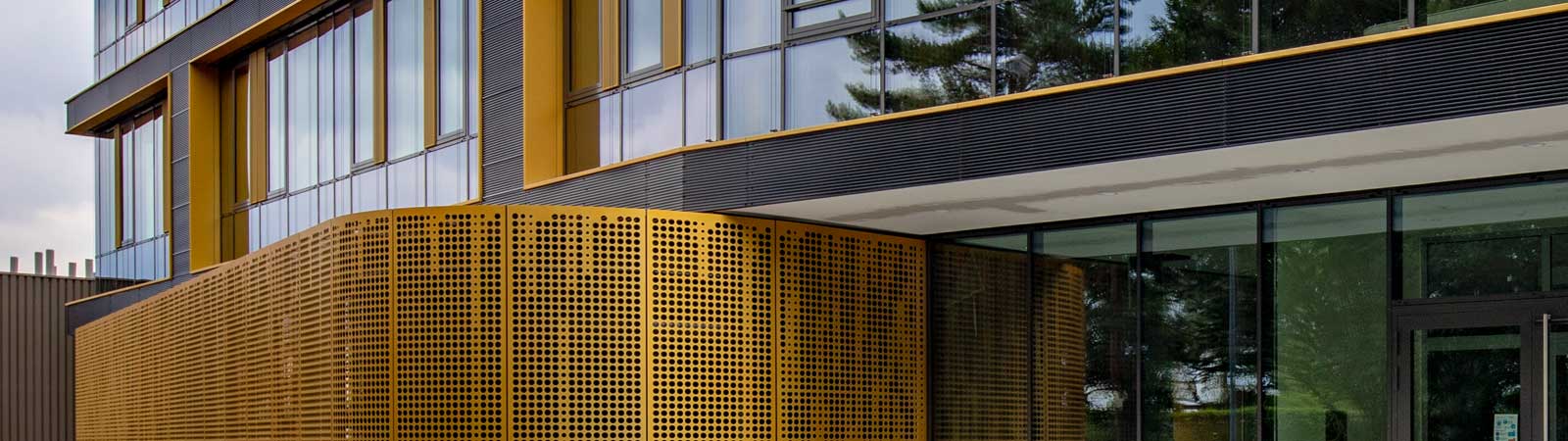
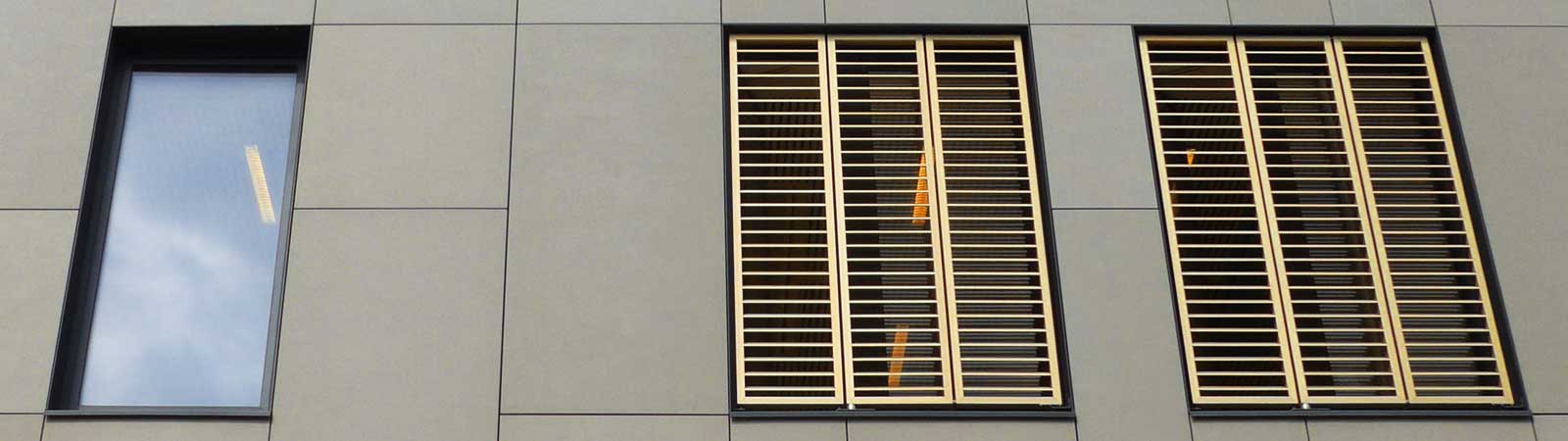
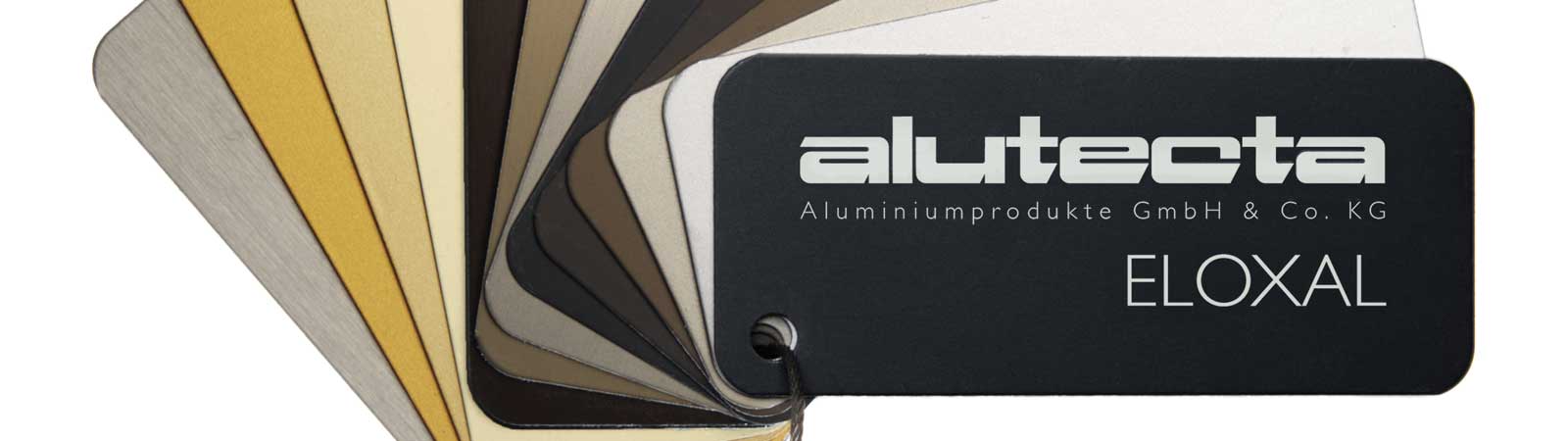
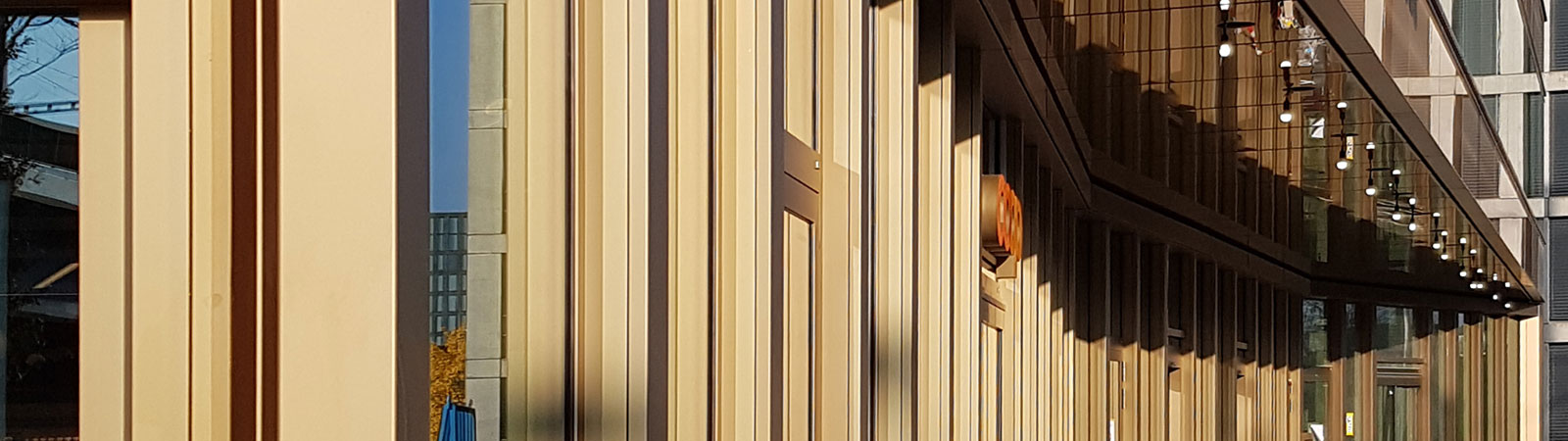
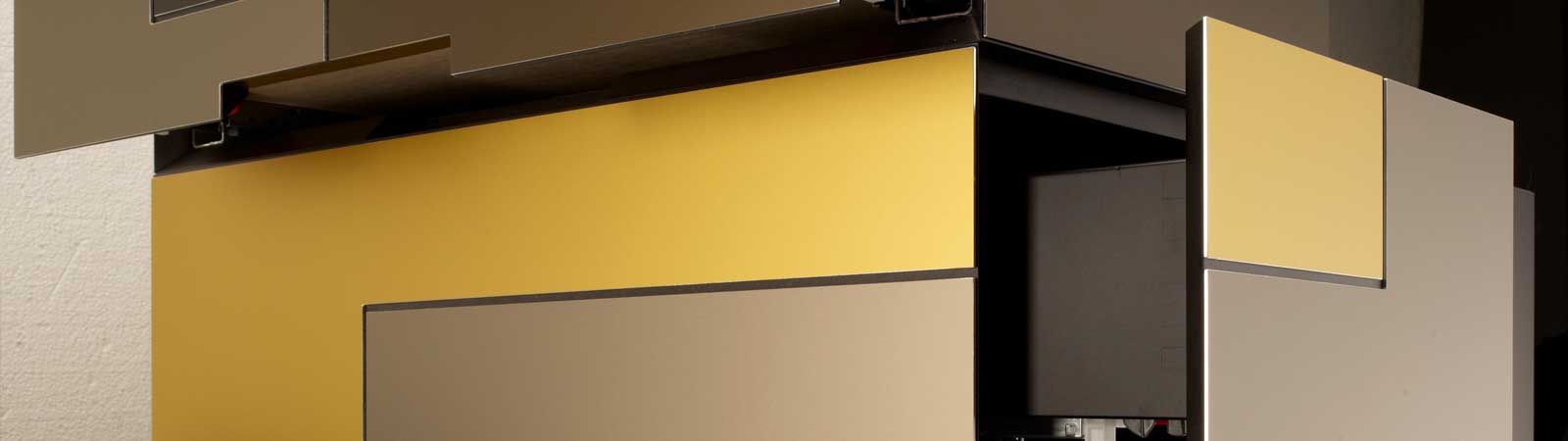
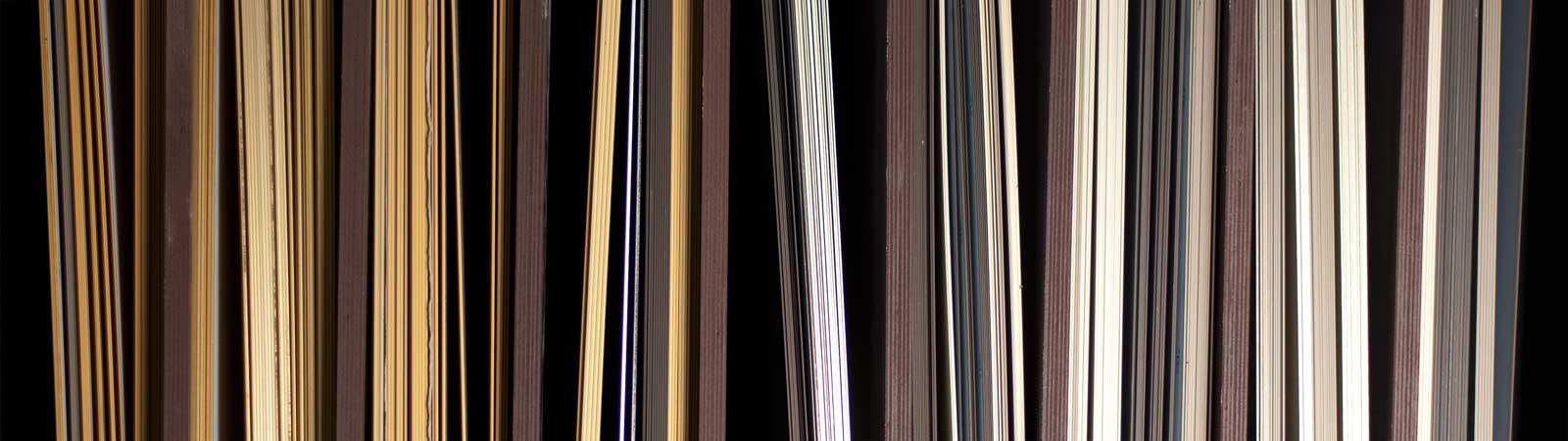
Gold has been among the anodised colours that ALUTECTA can produce through anodising and colouring from the very beginning. The anodised pores can be coloured using two different processes. The so-called Colour process utilizes metal oxides that are embedded in the pores after anodising. This allows for the production of three different gold shades: G1A, EV2, and EV3. The SANDALOR® process expands the possibilities to include a gold tone available in five different brightness levels, from S120-0 to S120-4. Because the layer created by anodising is transparent, all anodising gold colouring processes offer the possibility of influencing the reflective properties and thus the colour effect through pretreatment. Matte stained surfaces, brushed or honed surfaces, or even polished aluminum surfaces provide a wide range of high-quality design options.
Gold Anodising – How Does It Work?
- Gold Anodising Using the Colour Process
- Gold Anodising Using the SANDALOR® Process
- Suspension and Contacting of Workpieces
- Pretreatment, Cleaning, and Degreasing
- Anodising
- Two-Stage Colouring for Brightness Gradations (for S120-1 to -4)
- Colouring with Metal Oxides (Colour) or SANDALOR® Dyes
- Final/Quality Control
- Packaging in Assembly/End-of-Production Packaging